From Waste to Value. And Now to Carbon Credits.
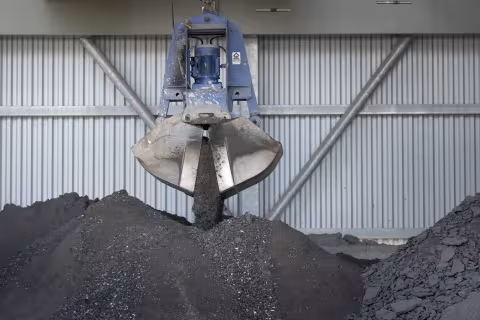
Every year, Swiss waste-to-energy plants produce around 750,000 tonnes of incinerator bottom ash, or IBA. For decades, the default path for most of this material has been the same: landfill. A substance that still contains significant amounts of recoverable metals and minerals gets buried, and the primary raw materials it could have replaced get mined somewhere else. Two problems, one avoidable outcome.
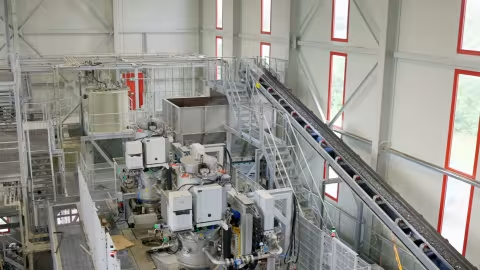
At Selfrag, we have spent nearly two decades building the technology and the infrastructure to make that outcome avoidable. Today, our waste-to-value plant Centro Uno in Full-Reuenthal processes tens of thousands of tonnes of IBA each year. Not buried. Recovered. Returned to the circular economy as secondary raw materials for construction, manufacturing, and beyond. And starting this year, the climate impact of that recovery is being independently verified as carbon credits in the voluntary carbon market.
This is the story of how one tonne of what most people would call waste becomes both a valuable raw material and a measurable contribution to emission avoidance.
The problem with incinerator bottom ash
When Swiss municipal waste is incinerated for energy recovery, roughly 20 percent of the input remains behind as bottom ash. This is IBA. It is not pure waste. Embedded in the mineral matrix are iron and aluminium scraps, heavy metals, glass, and ceramic fragments. All of it potentially recoverable. Historically, very little of it was actually recovered.
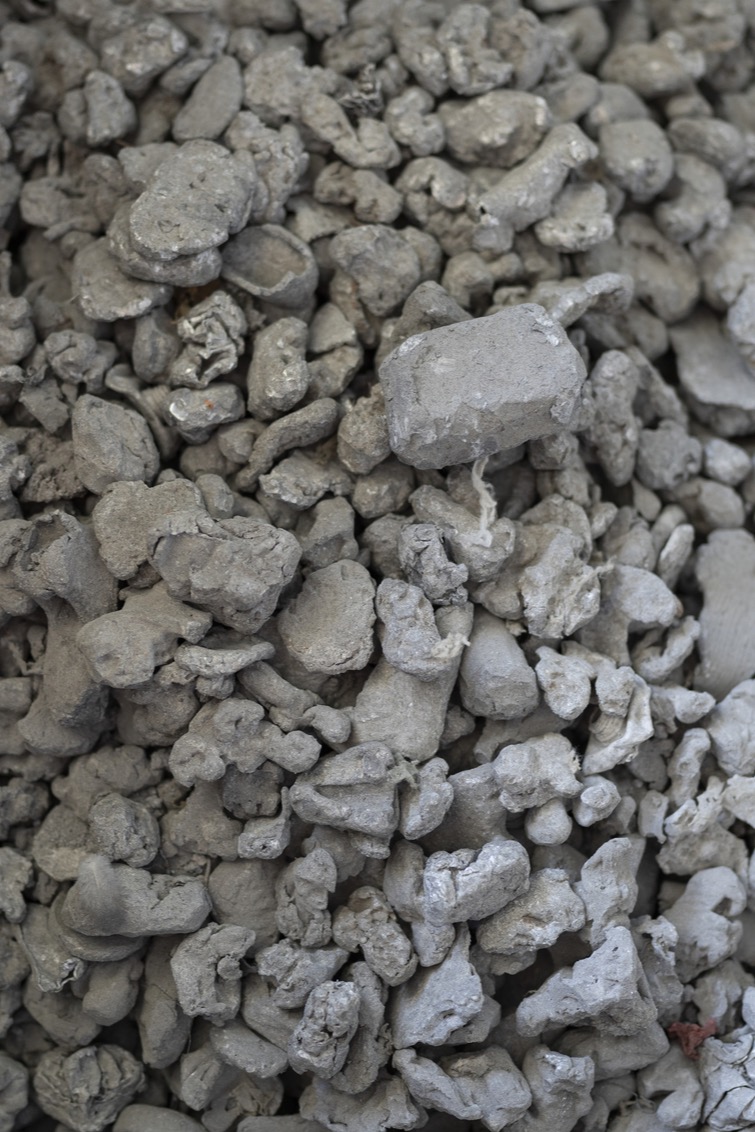
The reason is mechanical. Conventional recovery methods such as magnetic separation or sieving rely on the material being physically accessible. In IBA, the valuable fractions are often locked inside mineral clumps, bonded together by the heat of incineration and by secondary reactions in the ash itself. You cannot separate what you cannot release.
So the material went to landfill. Every tonne buried represents missed recovery on two fronts: the raw materials themselves, and the CO₂ emissions from mining and refining their primary alternatives.
What High Voltage Pulse technology does
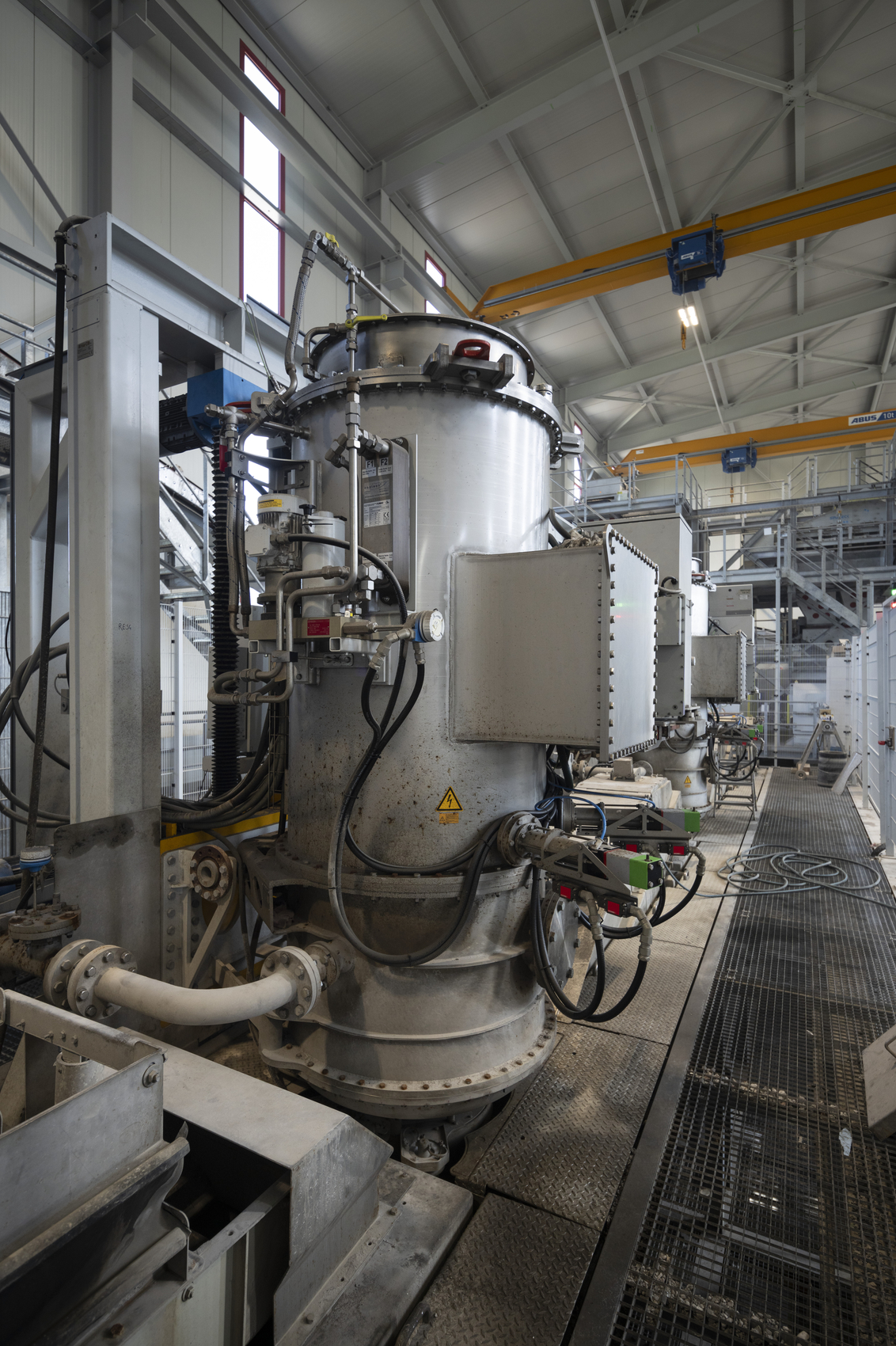
Our patented High Voltage Pulse, or HVP, technology approaches the problem differently. Instead of crushing IBA mechanically, which tends to smear and contaminate the valuable fractions, HVP applies short, high-intensity electric pulses directly through the material.
The pulses travel along the weakest paths in the material. In IBA, these paths run along the boundaries between mineral grains and metallic inclusions. The result is fragmentation that is selective rather than violent: materials come apart along their natural interfaces, leaving recovered pieces clean and intact rather than pulverised.
HVP does not do the recovery itself. It enables efficient recovery downstream, where more conventional separation techniques can finally work as intended because the valuable fractions are now accessible. This is the piece that was missing. This is what has held back IBA recovery rates for decades.
What we actually recover
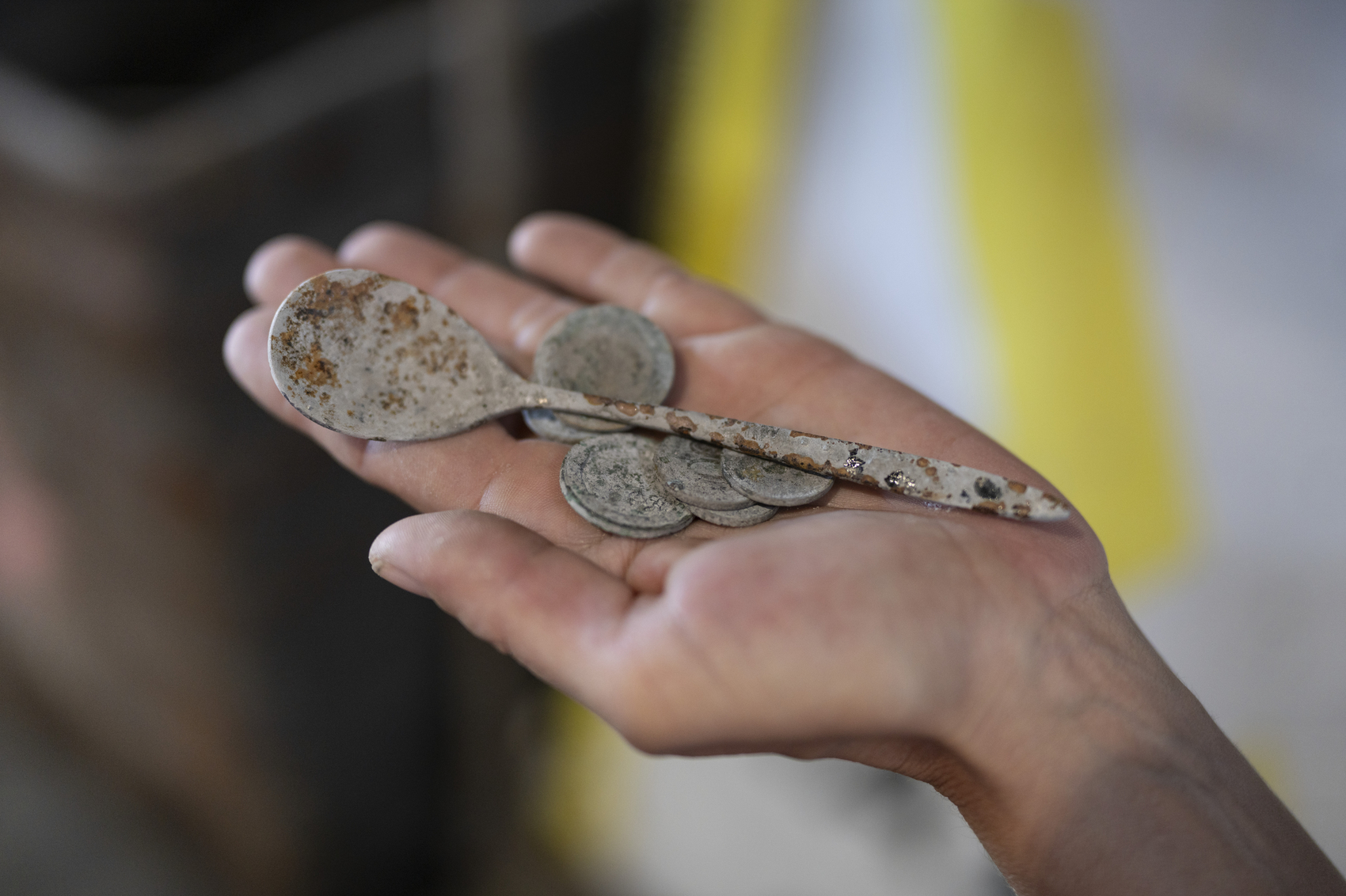
Running through the full process at Centro Uno, one tonne of input IBA yields, on average, a mix of:
- Iron and ferrous metals: destined for steel mills as scrap.
- Non-ferrous metals: aluminium, copper, heavy metals. Refined and sold back into primary metal markets.
- Clean minerals: the silicate fraction. After cleaning, usable as a construction aggregate.
Across these fractions, we are targeting a recovery rate of up to 50 percent by mass of the input IBA. That is a fundamental shift in what IBA means economically and environmentally. Material that cost money to dispose of becomes material that generates revenue and displaces primary extraction.
The climate piece
Here is where the story gets interesting for the carbon market.
Every tonne of recovered iron, aluminium, or mineral is a tonne that does not need to be mined, refined, and transported from a primary source. Primary raw material production is one of the most carbon-intensive activities in the modern industrial economy. Primary aluminium alone carries a footprint of roughly 16 tonnes of CO₂ per tonne produced. Steel sits around two tonnes. Mineral extraction for construction materials adds further emissions that are often overlooked because the volumes are enormous.
When our recovered materials enter those value chains, they substitute for primary production. The CO₂ that would have been emitted to produce the primary equivalent is not emitted. That is avoidance, not offsetting. And unlike nature-based carbon projects, these avoided emissions are structurally permanent. Once a tonne of aluminium is recovered and put back into circulation, it does not re-emit later. There is no reversal risk. No buffer pool required.
In 2024, we calculated that Centro Uno's recovery activity corresponded to 13,160 tonnes of CO₂ avoided. Running at full capacity across our planned facilities, we expect this number to scale significantly over the next three years.
Building credibility: four years with South Pole
Numbers alone do not make a carbon credit. What makes avoided emissions sellable in the voluntary carbon market is independent, rigorous, third-party verification.
That verification is not trivial. Over the past four years, we have worked in partnership with South Pole, one of the most respected advisors in the global carbon market, to build out the methodology, measurement systems, and documentation needed to get our savings certified under one of the most rigorous standards in the voluntary carbon market.
The process covers every step of the value chain we have described above. How much IBA comes in. How much of each material fraction comes out. What primary production emissions those fractions displace. How permanence is guaranteed. How double-counting is prevented.
We will share the full details of the certification in the coming weeks. The point for now is that we did not take shortcuts. And that matters, because the voluntary carbon market has learned hard lessons about what happens when verification is weak.
What comes next
Selfrag is entering the CO₂ credit market from a position that is, we think, unusual. We did not start as a carbon project and then look for an impact to quantify. We started as an engineering company solving a materials recovery problem, and the CO₂ story emerged as a measurable consequence of the work.
This means the credits we will begin issuing are backed by real industrial throughput. Tonnes of IBA measured going in. Tonnes of materials measured going out. Tonnes of primary production measurably avoided. All on Swiss soil, all under Swiss regulatory visibility, all at commercial scale today.
In the next two weeks, we will announce the specific standard under which these credits are certified and how interested buyers can participate. If you are following this space, or thinking about your organisation's voluntary climate contribution strategy, it is worth watching.
Until then: most people see waste. We see raw materials. And measurable climate impact. We are glad to finally be able to share how.
Questions about this article or our technology?
Get in touch ›Latest news
Gold Standard Certified. And Why That Matters for Carbon Credits from Waste.

Lightning in water: how High Voltage Pulse fragmentation works